Whistleblowing Protections for Sexual Harassment (2026): What UK Employers Must Do Now
Introduction
The Employment Rights reforms introduced in April 2026 include important developments in how whistleblowing protections apply to workplace sexual harassment.
While whistleblowing law itself is not new, the scope of what constitutes a “protected disclosure” has evolved, particularly in relation to inappropriate behaviour, workplace culture, and employer accountability.
For UK employers, this represents more than a technical legal update. It signals a shift towards increased protection for employees who raise concerns about sexual harassment, and a higher expectation that employers will take those concerns seriously and act appropriately.
Understanding these changes, and how they interact with existing obligations under the Equality Act 2010, is essential for reducing risk and maintaining a safe and compliant workplace.
What Is Whistleblowing?
Whistleblowing occurs when a worker discloses information about wrongdoing in the public interest.
To qualify for protection under whistleblowing legislation, a disclosure must relate to certain types of wrongdoing, including:
Criminal offences
Breaches of legal obligations
Health and safety risks
Miscarriages of justice
Concealment of wrongdoing
Where a disclosure meets the legal criteria, the individual is protected from detriment or dismissal as a result of raising the concern.
What Changed in April 2026?
The 2026 reforms place greater emphasis on the protection of individuals who raise concerns about workplace sexual harassment.
In practical terms, this includes:
1. Greater Recognition of Sexual Harassment as a Protected Disclosure
Where concerns about sexual harassment reflect a broader failure by the employer to meet legal obligations, they are more likely to fall within the scope of whistleblowing protection.
This is particularly relevant where:
The behaviour is systemic
The employer has failed to act on previous complaints
There is a culture of tolerance or inaction
2. Increased Focus on Employer Accountability
Employers are expected not only to respond to complaints, but to demonstrate that they have taken reasonable steps to prevent harassment and address concerns appropriately.
A failure to do so may strengthen the argument that a disclosure is in the public interest.
3. Strengthened Protection Against Retaliation
Employees who raise concerns about sexual harassment are increasingly protected from:
Dismissal
Disciplinary action
Being treated unfavourably
This applies even where the concern is not ultimately upheld, provided it was raised in good faith and meets the legal threshold.
How This Interacts with the Equality Act 2010
Sexual harassment is already unlawful under the Equality Act 2010.
However, the interaction with whistleblowing law adds an additional layer of protection.
An employee may:
Bring a discrimination claim under the Equality Act
Also argue that they have been subjected to detriment for whistleblowing
This creates a dual risk for employers, particularly where concerns are not handled appropriately.
Why This Matters for SMEs
Many SMEs rely on informal processes when dealing with employee concerns. While this may work in low-risk situations, it becomes problematic where allegations of harassment arise.
Key risks include:
Failing to recognise when a complaint may constitute a protected disclosure
Treating complaints as interpersonal issues rather than legal concerns
Lack of documentation of how concerns were handled
Inconsistent responses between managers
As protections expand, these gaps become more significant.
Common Employer Mistakes
In practice, the following issues are frequently seen:
Dismissing Concerns Too Early
Employers may assume a complaint is minor or informal, without considering the broader implications.
Failing to Follow a Structured Process
Without a clear grievance or investigation process, responses can appear inconsistent or inadequate.
Lack of Confidentiality
Poor handling of sensitive information can deter employees from raising concerns and increase risk.
Inadequate Manager Training
Managers may not understand how to identify or escalate serious concerns appropriately.
No Clear Whistleblowing Procedure
Without a defined process, employees may not know how to raise concerns, and employers may struggle to respond consistently.
What Employers Should Do Now
1. Review and Update Policies
Ensure you have:
A clear anti-harassment policy
A grievance procedure
A whistleblowing policy
These should be aligned and reflect current expectations.
2. Implement a Structured Reporting Process
Employees should know:
How to raise concerns
Who to report to
What will happen next
Clarity encourages reporting and supports early intervention.
3. Train Managers
Managers should understand:
What constitutes sexual harassment
When a concern may be a protected disclosure
How to respond appropriately
When to escalate issues
4. Take All Complaints Seriously
Even where concerns appear minor, they should be assessed objectively and documented.
5. Maintain Clear Records
Employers should be able to demonstrate:
What was reported
How it was investigated
What action was taken
Documentation is critical in defending claims.
Example Scenario
An employee raises concerns about inappropriate behaviour by a colleague. The manager treats the issue informally and does not escalate it or document the discussion.
The employee later raises the issue again, stating that similar behaviour has affected others.
They subsequently feel they are treated differently at work.
In this scenario, the employee may argue that:
The employer failed to address harassment
Their disclosure was in the public interest
They were subjected to detriment as a result
This significantly increases legal risk.
Key Takeaway
The expansion of whistleblowing protections in relation to sexual harassment reflects a broader shift towards increased accountability for employers.
For SMEs, the key priorities should be:
Recognising the seriousness of complaints
Implementing structured processes
Training managers
Maintaining clear documentation
A reactive or informal approach is no longer sufficient.
Other Related Articles
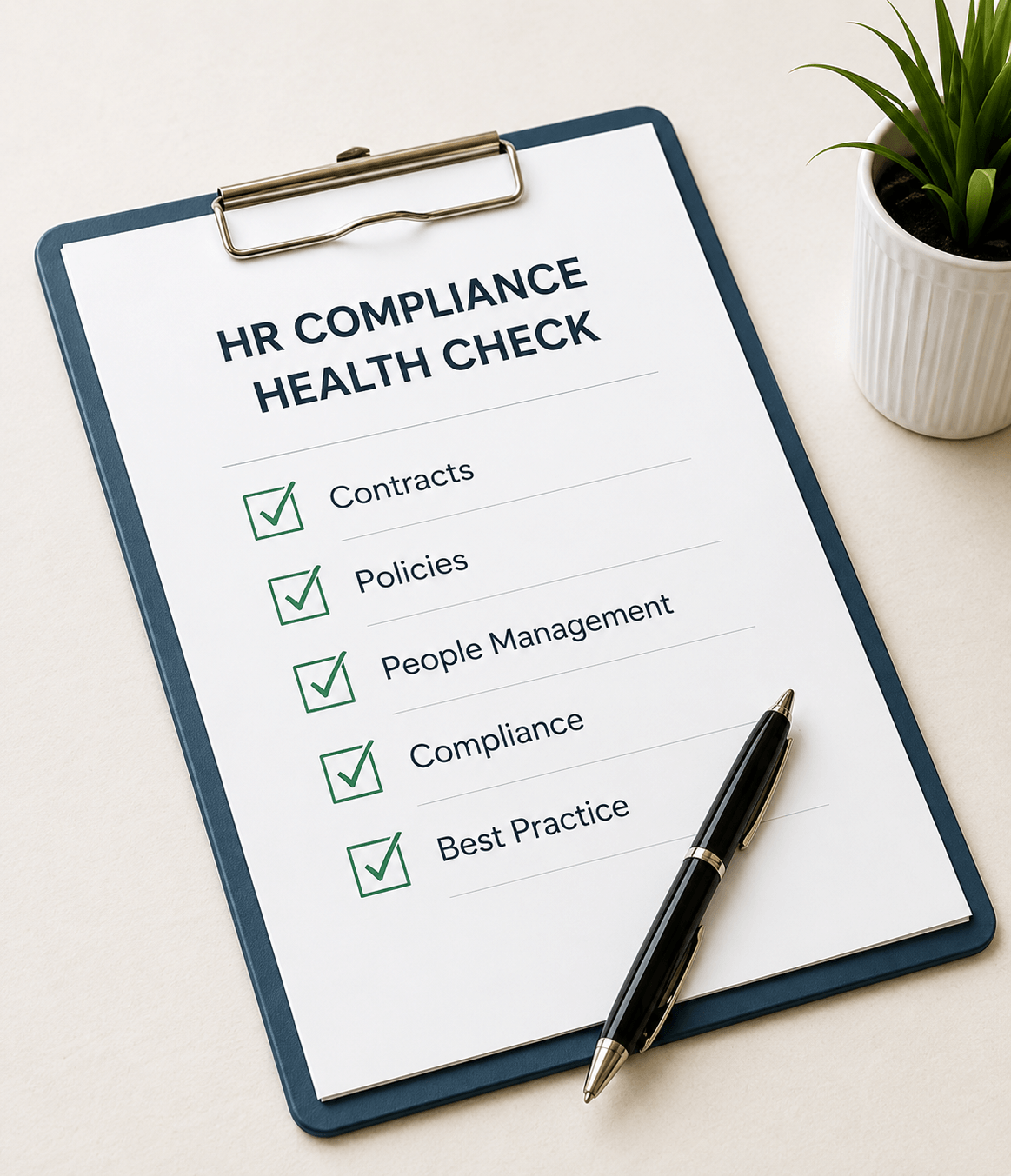
FREE HR COMPLIANCE HEALTHCHECK
How compliant is your business?
Take our free HR Compliance Healthcheck and get a personalised report in minutes.
Identify potential risks, strengthen your HR practices and gain peace of mind knowing you are on track.
Understand your HR strengths and blindspots
Spot gaps and reduce risk
Get clear, practical recommendations
Build a stronger, more compliant business.
Simple HR. Serious Protection.
Practical HR solutions for small and growing businesses.



QUICK LINKS
RESOURCES


People Policy Co. All rights reserved. © 2026