UK Employment Law Changes 2026: What SMEs Need to Prepare for Now
Introduction
The Employment Rights reforms represent one of the most significant shifts in UK employment law in recent years. While much of the focus has been on individual changes, the broader impact is often underestimated.
For SMEs, the key issue is not simply understanding the changes, but recognising how they collectively increase the need for structured HR management.
Key Employment Law Changes
While implementation timelines may vary, several themes are already clear:
Reduction in Unfair Dismissal Qualifying Period
The proposed reduction from two years to six months significantly shortens the timeframe in which employees gain protection
Expansion of Day-One Rights
Employees are gaining access to key rights from the start of employment, increasing employer obligations immediately.
Greater Emphasis on Enforcement
The introduction of stronger enforcement mechanisms and oversight bodies signals a move towards more proactive regulation.
Increased Focus on Fairness and Transparency
Employers will be expected to demonstrate fair and consistent processes, not just outcomes.
Why This Is a Structural Change, Not Just Legal Updates
Many SMEs treat employment law changes as isolated updates to policies.This approach is no longer sufficient.
The combined effect of these changes means:
Less tolerance for informal practices
Greater expectation of documented processes
Increased scrutiny on employer decision making
In practical terms, this means that HR compliance must become more structured.
Where SMEs Are Most Exposed
Based on common SME practices, the highest risk areas are:
Lack of formal policies
Inconsistent handling of employee issues
Limited documentation of decisions
Over-reliance on verbal communication
These gaps become more problematic as employee rights expand.
What Employers Should Be Doing Now
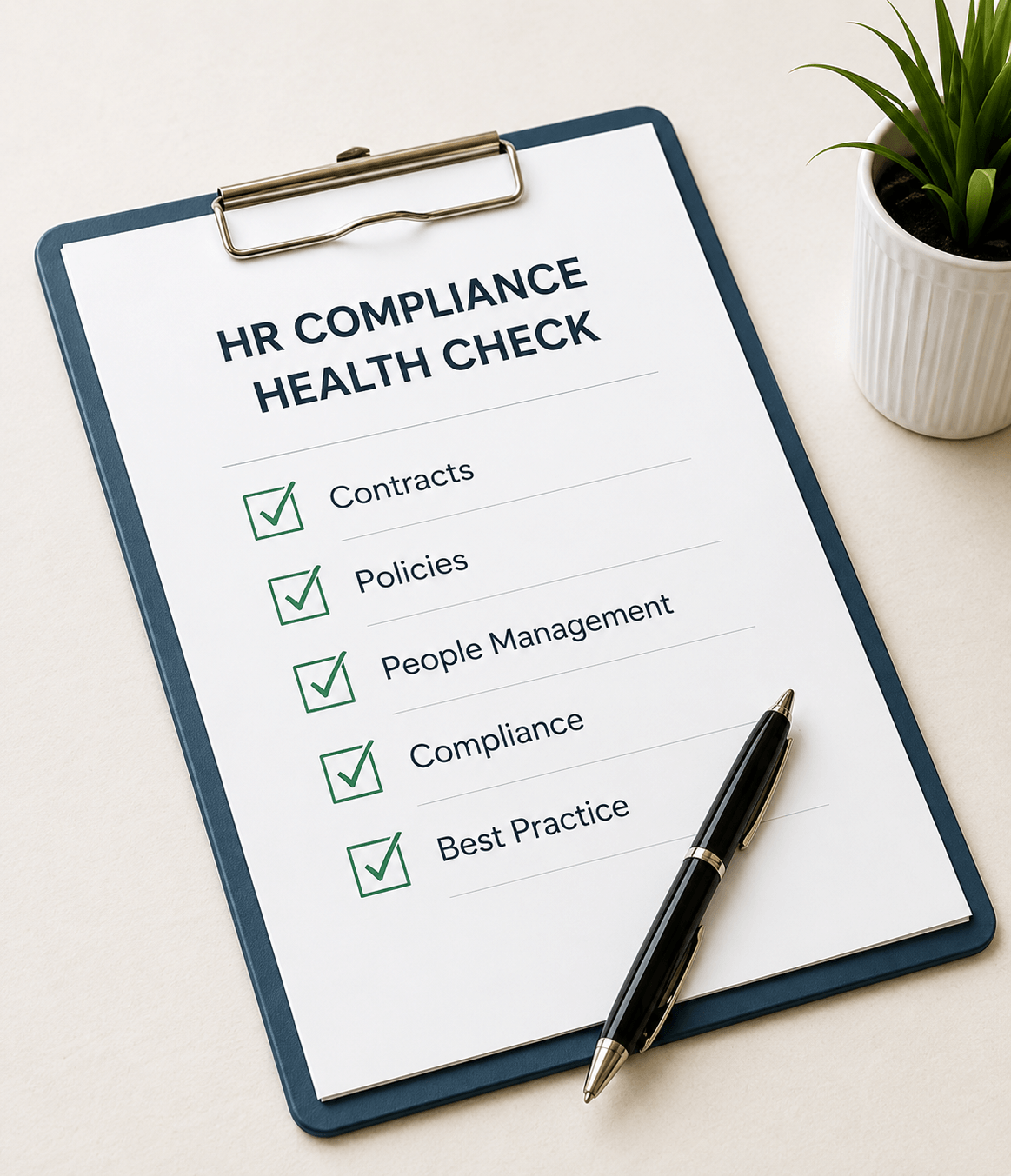
1. Conduct a Full HR Compliance Audit
This should include:
Contracts
Policies
Procedures
Documentation practices
Identify gaps before they become issues.
2. Update Core Documentation
Focus on:
Employment contracts
Disciplinary and grievance procedures
Absence management
Equality policies
Ensure alignment with current legislation and best practice.
3. Introduce Consistent Processes
Processes should be:
Clearly defined
Documented
Applied consistently across the business
This is critical in demonstrating fairness.
4. Strengthen Record Keeping
Employers should be able to evidence:
Decisions
Conversations
Processes followed
Without documentation, defending decisions becomes significantly more difficult.
5. Upskill Managers
Managers need to understand:
Legal principles
Internal processes
Their role in maintaining compliance
Example Scenario
A growing SME manages employee issues on a case-by-case basis, with limited documentation and no formal policies.
Following the reduction in qualifying periods, an employee challenges a dismissal decision made within their first year.
The business struggles to demonstrate a fair process, increasing the risk of a claim
Key Takeaway
The 2026 employment law changes are not simply updates to be noted. They require a shift in how SMEs approach HR.
Moving from reactive to structured HR management is no longer optional.
Other Related Articles
FREE HR COMPLIANCE HEALTHCHECK
How compliant is your business?
Take our free HR Compliance Healthcheck and get a personalised report in minutes.
Identify potential risks, strengthen your HR practices and gain peace of mind knowing you are on track.
Understand your HR strengths and blindspots
Spot gaps and reduce risk
Get clear, practical recommendations
Build a stronger, more compliant business.
Simple HR. Serious Protection.
Practical HR solutions for small and growing businesses.



QUICK LINKS
RESOURCES

People Policy Co. All rights reserved. © 2026