The 6-Month Unfair Dismissal Rule: How UK SMEs Must Rethink Probation Periods Before 2027
Introduction
One of the biggest employment law changes facing UK employers is not about pay, leave, or flexible working. It is about dismissal risk.
From 1 January 2027, the qualifying period for ordinary unfair dismissal protection will reduce from 2 years to 6 months. At the same time, the government has confirmed broader reforms aimed at increasing fairness, improving workplace standards, and strengthening worker protections.
For SMEs, this is a major shift.
Historically, many employers viewed the first 12–24 months of employment as a relatively low-risk window for dismissal (subject to discrimination, whistleblowing, pregnancy, and other automatic unfair dismissal protections).
That window is about to narrow significantly.
The practical implication is simple:
Probation periods can no longer be managed informally.
Businesses that continue using “wait and see” management, vague feedback, and undocumented decisions will be exposed much sooner.
Businesses that adopt structured probation management will be far better protected.
What Is Changing?
Under current law, employees generally need 2 years’ continuous service to bring an ordinary unfair dismissal claim.
From 1 January 2027, that qualifying period will reduce to 6 months.
This means:
employees gain dismissal protection far earlier,
employers must make decisions more quickly,
probation management becomes strategically important,
poor documentation becomes a bigger liability.
This is one of the most significant changes to dismissal law in over a decade.
Why This Matters for SMEs
Most SME probation periods are typically:
3 months
6 months
occasionally extendable to 9 months
Notice the issue?
A standard 6-month probation period now sits directly against the unfair dismissal qualifying threshold.
That creates a commercial and legal pressure point.
Employers will need to know — before the 6-month point — whether:
✓ the employee is meeting expectations
✓ concerns exist
✓ support has been offered
✓ improvement is realistic
✓ employment should continue
The luxury of delayed decision-making is shrinking.
The Biggest Risk: Passive Management
The most common probation mistake is silence.
Managers think: “Let’s give them more time.”
Then:
performance concerns are not documented,
standards are not clarified,
meetings do not happen,
support is not offered,
concerns are raised late.
Near month five or six:
“This is not working.”
At that point, the business may have very little evidence supporting the decision. That creates risk.
What Good Probation Management Looks Like
1) Tighten probation periods
Best practice for many SMEs will likely become:
3–4 month probation, with a clearly documented short extension where justified.
This gives employers:
earlier clarity,
more decision-making runway,
time to address concerns properly before 6 months.
Waiting until month 6 is too late.
2) Formal review checkpoints
Introduce:
30-day review
60-day review
90-day review
extension review (if needed)
Document:
performance
conduct
attendance
training needs
support given
next steps
Documentation becomes protection.
3) Raise concerns early
Do not store feedback.
Address:
lateness
quality concerns
behavioural issues
attendance patterns
communication problems
Early clarity = fairer process.
4) Support improvement
Employers should evidence:
✓ coaching
✓ additional training
✓ clearer objectives
✓ mentoring
✓ reasonable adjustments where relevant
This supports reasonableness.
5) Consider legal overlap
Remember:
Employees already have day-one protection in areas such as:
discrimination
whistleblowing detriment
family leave protections
statutory rights assertions
And from April 2026 there are strengthened day-one rights around SSP, paternity leave, and unpaid parental leave, increasing overlap between dismissal decisions and statutory protection.
Dismissal decisions during probation may therefore carry multiple legal angles.
Commercial Reality for SMEs
Business groups have already raised concerns that wider employment reforms may increase hiring caution and operational cost. Coverage by BBC highlights growing debate around how employment reforms may affect business confidence, hiring decisions, and labour flexibility.
For SMEs, the practical answer is not reducing hiring.
It is improving hiring, and people management process.
Good HR process becomes commercial protection.
Practical SME Checklist
Before month 4–5, ask:
✓ Have expectations been clearly set?
✓ Are reviews documented?
✓ Have concerns been raised?
✓ Has support been offered?
✓ Have reasonable adjustments been considered?
✓ Is extension justified?
✓ Can we objectively explain our decision?
If not, review your probation framework now.
Key Takeaway
The 6-month unfair dismissal rule changes the purpose of probation.
Probation is no longer simply:
“a trial period”
It becomes:
a structured assessment process that must be actively managed.
For SMEs, the businesses that adapt early will:
✔ reduce legal risk
✔ improve hiring decisions
✔ strengthen management capability
✔ avoid expensive disputes
The businesses that keep managing probation informally will become increasingly exposed.
Other associated articles:
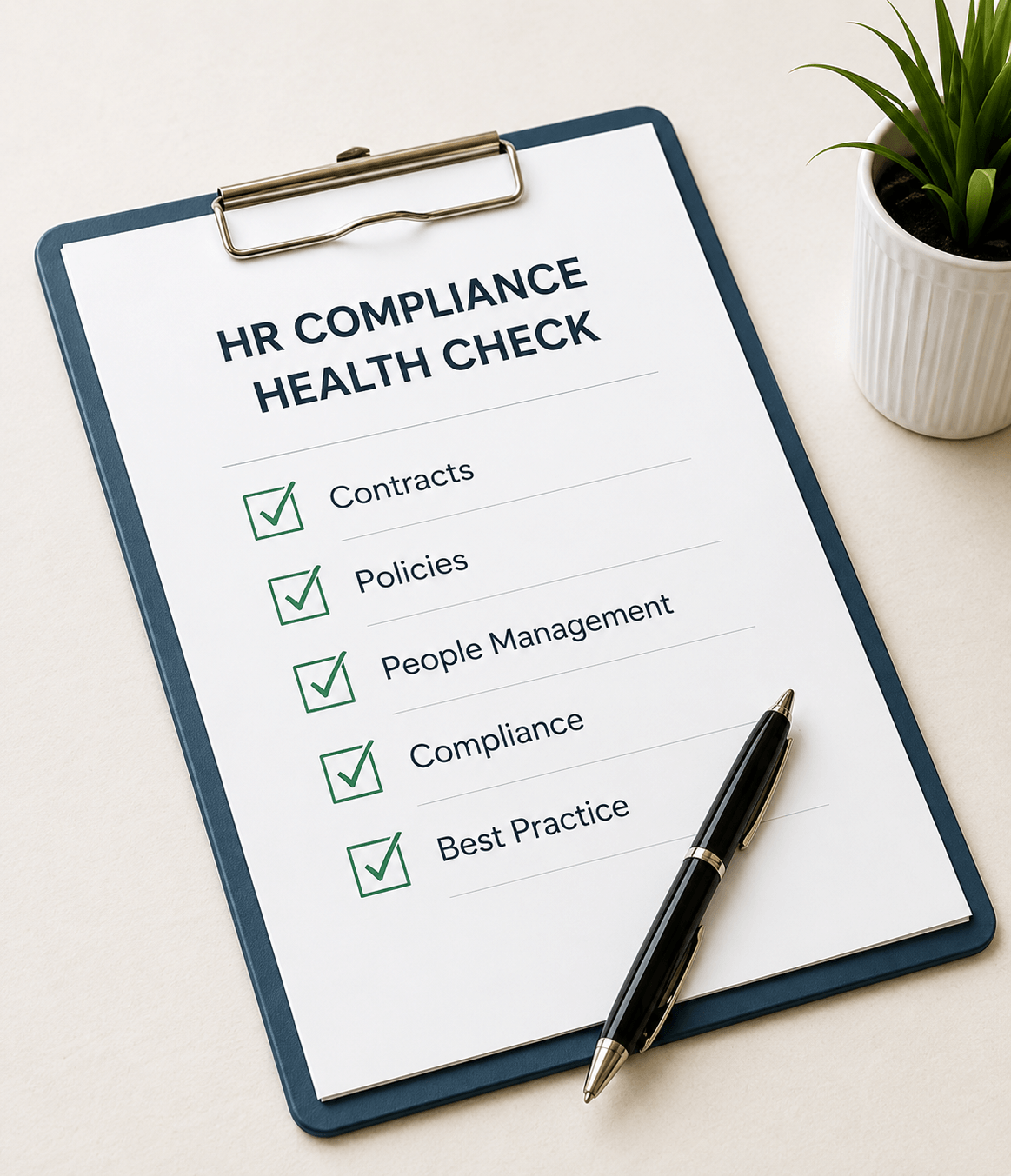
FREE HR COMPLIANCE HEALTHCHECK
How compliant is your business?
Take our free HR Compliance Healthcheck and get a personalised report in minutes.
Identify potential risks, strengthen your HR practices and gain peace of mind knowing you are on track.
Understand your HR strengths and blindspots
Spot gaps and reduce risk
Get clear, practical recommendations
Build a stronger, more compliant business.
Simple HR. Serious Protection.
Practical HR solutions for small and growing businesses.



QUICK LINKS
RESOURCES

People Policy Co. All rights reserved. © 2026